Would an Underground Mall be Possible in Arizona?
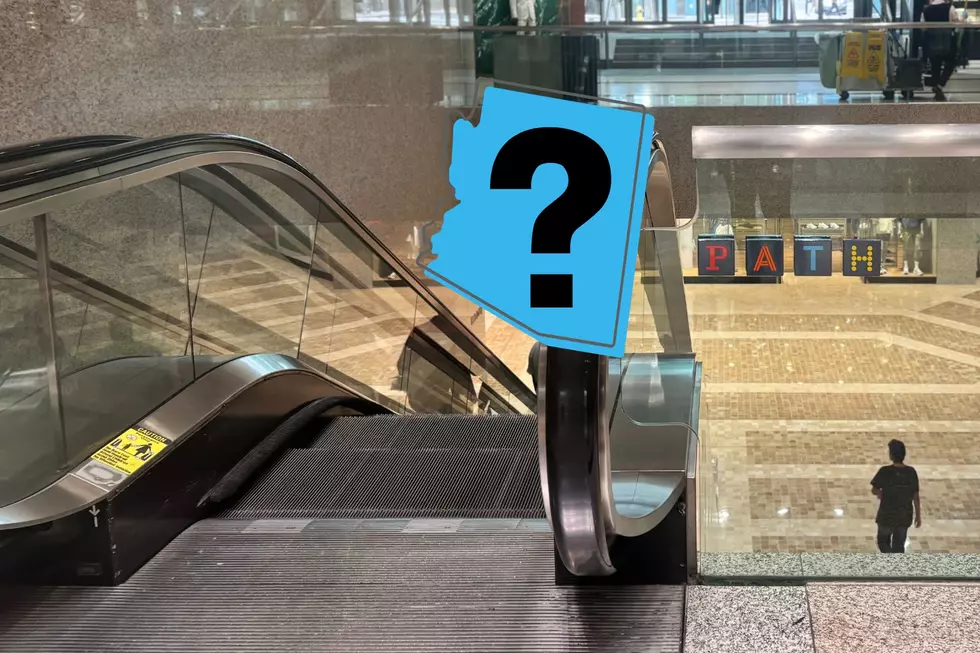
I went on vacation to Toronto this week, and one of the most fascinating things I have seen is an underground shopping mall and pedestrian walkway. It got me wondering, would an underground mall be possible in Arizona? The answer is, hypothetically.


Underground Shopping Malls
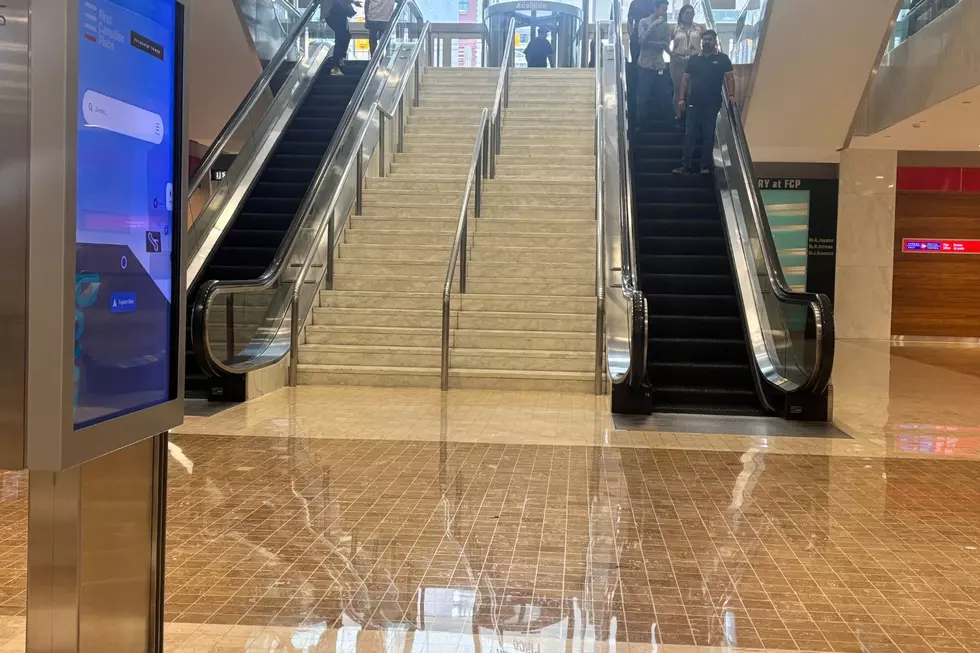
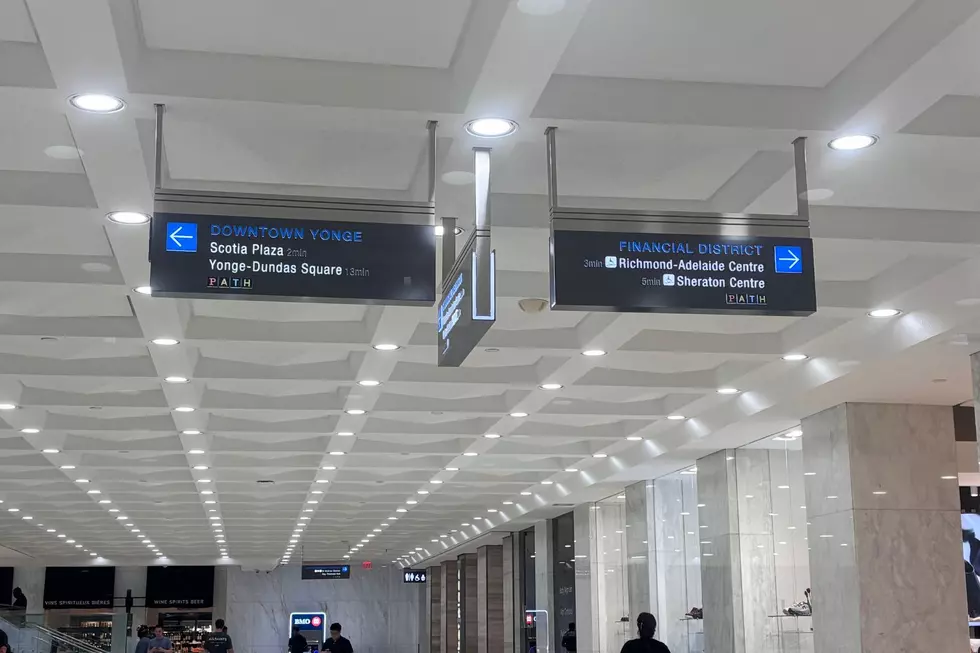
Around the world, underground malls have become extremely popular. They solve problems that surface‑level retail can’t. Toronto’s PATH system covers 3.7 million square feet, connecting office towers, transit hubs, and hundreds of shops. Winters routinely drop below freezing, and underground walkways keep commuters warm and mobile.
In the United States, Houston’s Tunnel System offers a different example. Spanning roughly six miles, it protects workers from extreme heat and humidity, linking major downtown buildings through climate‑controlled corridors. The tunnels succeed because they provide relief from the weather that makes surface travel uncomfortable for much of the year.
You can also find underground shopping malls in cities like Montreal and Tokyo. Now the question is, would an underground shopping mall be possible in Arizona?
READ: How Arizona's Monsoon Season Works And Why It Matters
Pro's and Con's
When considering underground shopping malls in Arizona, there's a lot to think about.
PROS
Heat mitigation: Underground temperatures stay reasonable year-round, reducing energy costs in a state where summer highs average around 105°F.
Storm protection: Subterranean spaces avoid dust storms, UV exposure, and monsoon winds.
Urban efficiency: Downtown Phoenix and Tucson have very tall buildings, meaning if they wanted to expand, they'd have to go out or down. Instead of expanding further outwards, these cities could benefit from downward expansion.
CONS
Flooding risk: Monsoon storms can drop inches of rain in hours, overwhelming drainage systems.
Soil instability: Arizona homes rarely have basements because the soil expands when saturated, and excavation costs are significantly higher due to necessary waterproofing. Arizona's ground is also a lot harder to dig through due to high levels of calcium. These same factors make large‑scale underground retail challenging.
High cost: Underground construction often costs 20–50% more than surface development.
READ: How Often Do Tornadoes Actually Touch Down In Arizona
Phoenix's Attempt
Phoenix never tried anything as lavish as Toronto’s PATH or Houston’s extensive tunnels, but it did attempt an underground bus station in the 1980s. The city built the structural shell beneath the Deck Park Tunnel, investing millions before losing the federal funding needed to finish it. What remains is a forgotten underground tunnel, complete with curbs and space for platforms. Today it is sealed off and used only for storage.

Arizona could build an underground mall, but it probably won’t. The heat and traffic advantages are real, yet Arizona's geology and the building cost make it impractical. Unless a developer is willing to take on major engineering risks and a huge budget, the odds stay close to zero. If Phoenix ever tried again, would you check it out?
CONTINUE READING: How Sky Harbor Grew Alongside Phoenix Over Nearly 100 Years
The Internet's Top-10 Travel Locations in Arizona
Gallery Credit: Chris
The Top 15 Arizona "Cool Off" Spots
Gallery Credit: Chris